For a building material that’s been around seemingly forever, concrete is constantly being improved, repurposed and reimagined. We dug up these emerging trends for contractors, interior designers, DIY homeowners and anyone looking to improve their space with an interior or exterior concrete update.
Key Takeaways
- Decorative concrete continues to evolve with new coloring and texturing agents expanding design possibilities for both indoor and outdoor applications.
- Self-healing concrete uses bacteria or healing agents to automatically repair cracks, extending lifespan and reducing maintenance costs.
- 3D printing technology is revolutionizing how concrete structures are built, from complex architectural forms to rapid construction.
- Load-bearing walls and tilt-up construction are transforming commercial building efficiency with innovative formwork methods.
- Smart concrete with embedded sensors enables real-time structural monitoring and predictive maintenance.
- Sustainable materials like fly ash and slag reduce environmental impact while maintaining or improving concrete performance.
RESIDENTIAL
Decorative Concrete
This concrete trend has been around for a while, but new developments in coloring and texturing agents keep decorative concrete constantly evolving. While concrete’s traditional gray hues suit current interior design trends like the farmhouse look, homeowners have endless possibilities when it comes to color, pattern and texture.
What makes decorative concrete particularly appealing for residential projects is its versatility across different climates and applications. In Utah’s harsh freeze-thaw cycles, properly sealed decorative concrete outperforms many traditional paving materials.
Homeowners can achieve the high-end look of natural stone, brick or tile at a fraction of the cost, while benefiting from concrete’s superior durability.
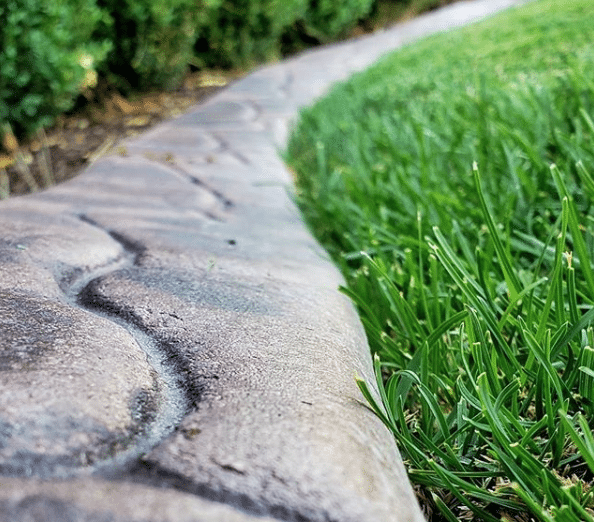
Decorative concrete also enhances outdoor spaces, such as patios, walkways and decorative curbing made with reusable stencils. Modern techniques allow for intricate geometric patterns, realistic wood grain textures and even custom designs that reflect personal style.
Interior Design
Typically associated with outdoor, utilitarian uses like patios, driveways and foundations, concrete has made its way indoors thanks in part to the popular industrial design trend. From concrete flooring to countertops and furniture to accessories, interior concrete can be customized to suit any décor style.
The shift toward interior concrete reflects a broader appreciation for honest materials and minimalist aesthetics. Concrete floors offer exceptional durability for high-traffic areas while providing radiant heat compatibility for energy-efficient homes.
Meanwhile, polished concrete has become especially popular in modern kitchens and open-concept living spaces, where its reflective surface amplifies natural light.
For DIY enthusiasts, concrete’s workability makes it accessible for smaller projects like countertops, sinks and decorative accessories. The material can be tinted, stamped or embedded with aggregates to create unique pieces that serve as conversation starters.
Graphic Concrete
Everyone knows about stamped concrete at this point, but graphic concrete takes it a step farther. Instead of stamping after pouring, graphic concrete delivers patterns, designs and colors to precast concrete surfaces. Think about the residential applications: fences, walls or even pathways!
This innovative technique uses a membrane technology that transfers patterns during the curing process to create incredibly detailed and permanent surface designs.
Unlike traditional stamping, graphic concrete can reproduce photographic-quality images, company logos or intricate architectural details with precision that was previously impossible.
INDUSTRIAL
Tilt-up
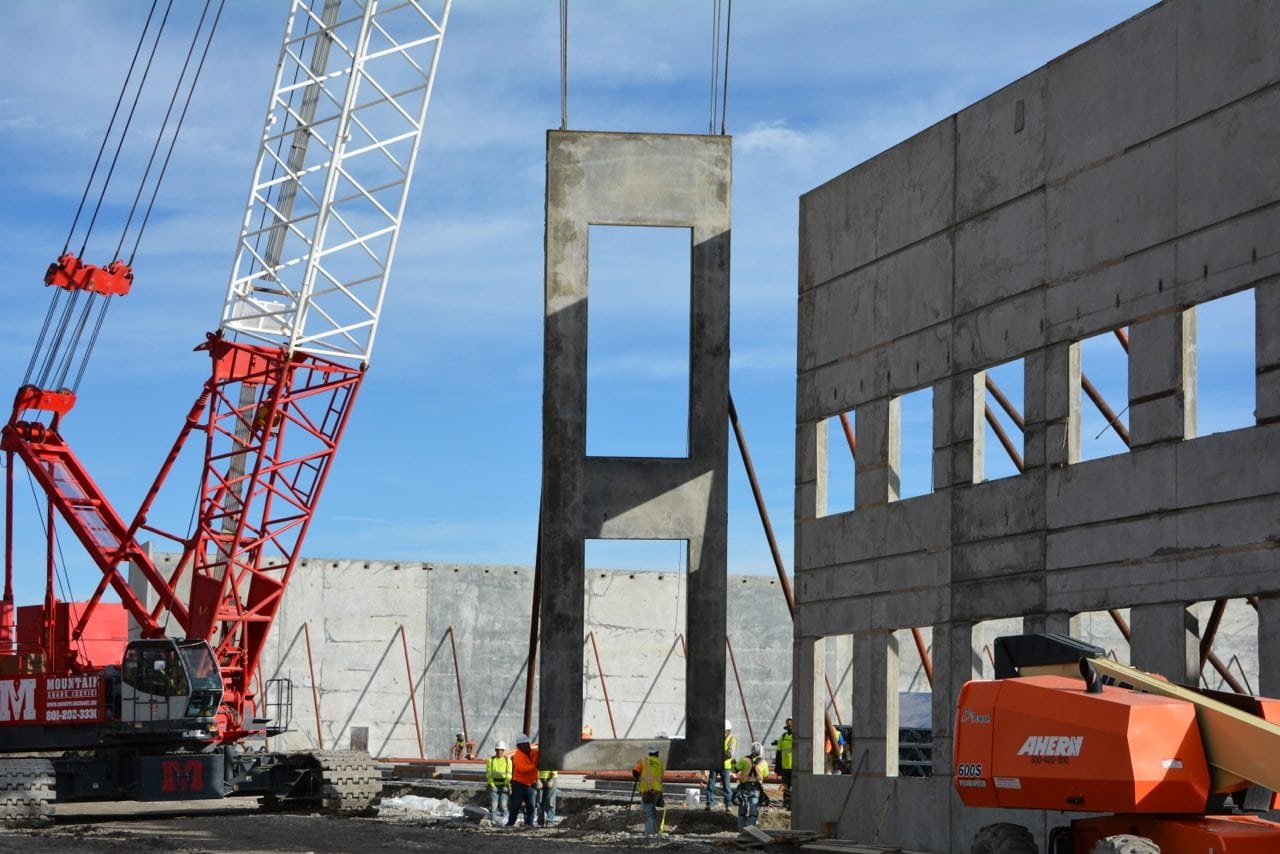
Tilt-up construction is soaring to new heights with a recent record lift of 100 feet. Thanks to new developments, products and processes, the tilt-up industry is shaking up conventional labor and production on these large-scale building projects.
The efficiency gains from tilt-up construction are substantial for commercial and industrial projects. By casting concrete wall panels horizontally on-site and then tilting them into place, contractors can reduce construction time by 30–40% compared to traditional methods.
This approach also improves quality control, as panels are poured and finished on a flat surface under controlled conditions.
Load-Bearing Walls
The latest trend in concrete formwork, load-bearing walls utilize an innovative tunnel-form method that allows walls and slabs to be poured simultaneously. This means faster setting and removal of wall forms to allow for acceleration of construction projects.
This method represents a fundamental shift in how multi-story residential and commercial buildings are constructed. Projects that might have taken 18 months using conventional methods can now be completed in 12 months or less!
The system also delivers superior structural performance. By creating a monolithic concrete structure with no joints between walls and floors, tunnel-form construction provides exceptional resistance to lateral forces—a critical advantage in areas prone to high winds or seismic activity.
Off-Site Construction
When it comes to efficiency, improved safety, reduced cost and quicker turnaround, the industrial world is looking to off-site construction. This allows contractors to access complex, large components that are created off-site and installed at the final location. Precast or prefabricated concrete is used most often for this new technique.
The move toward off-site construction addresses several persistent challenges in the building industry. By manufacturing components in controlled factory environments, producers can maintain tighter quality standards while reducing weather-related delays. Workers benefit from safer conditions, and job sites experience less disruption from noise, dust and traffic.
Drones
Drones are everywhere these days and industry experts are using them as part of the construction process. Concrete pros can improve the visibility of their project, check in regularly on progress and provide clients with updates throughout the build.
In addition, some drones are being used to apply concrete-like substances onto fabric, creating a durable exterior to buildings while cutting down on the need for expensive construction equipment.
Beyond project documentation, drones equipped with thermal imaging cameras can detect defects in concrete curing, identify areas of inadequate insulation and spot moisture intrusion before it becomes visible to the naked eye. This capability helps contractors address problems during construction rather than after project completion.
NEW TECHNOLOGIES
Emerging trends in concrete are changing not only what we can build, but also how we build it. Here are several new concrete trends shaping the industry’s future.
Project Management Software
Keeping on track with many different concrete projects is complicated and many contractors are turning to project management software for help. This type of software helps track all the different processes that go into a typical concrete project, making it easier to manage employees and labor while avoiding unnecessary delays.
Modern project management platforms have evolved far beyond simple scheduling tools. Today’s software enables contractors to track concrete pours, monitor curing conditions, document quality control checkpoints and manage change orders from a single dashboard.
Reactive Powder
This highly workable and durable, ultra-high strength concrete eliminates the need for coarse aggregates. With a potential compressive strength of 30,000 psi, reactive powder concrete’s tensile strength is on par with steel fibers.
Also known as ultra-high-performance concrete (UHPC), its exceptional strength-to-weight ratio opens up architectural possibilities that were previously impractical. Designers can create longer spans, thinner structural elements and more dramatic cantilevers without sacrificing safety or durability.
The material’s density also provides superior resistance to water penetration, chemical attack and freeze-thaw damage—making it ideal for harsh environments.
Translucent Concrete
Adding optical fibers to a concrete mix creates a “see-through” effect that challenges the opaque nature of traditional concrete. Thanks to the optical fibers, light is conducted through the stone from one end to the other.
Architects are exploring translucent concrete for feature walls, privacy screens and sculptural elements in both commercial and high-end residential projects.
The material works particularly well for creating dramatic interior spaces where natural light needs to penetrate deep into a building. While still relatively expensive, translucent concrete offers design opportunities that no other material can replicate.
Self-Healing Concrete
Everyone knows that concrete is susceptible to cracks, leaks or buckles. It just happens. But new technology surrounding self-healing concrete is making waves, giving longer-lasting durability and strength to concrete. The craziest thing about self-healing concrete? It’s bacteria that does the work! The bacteria produce limestone that repairs cracks when it comes into contact with water and air.
Research institutions and concrete manufacturers are developing various self-healing approaches, including microcapsules containing healing agents that rupture when cracks form.
The National Institute of Standards and Technology (NIST) is actively working with industry partners to develop measurement methods and standards for these innovative concrete technologies, helping ensure their reliability and performance before widespread adoption.
Sustainable Concrete Practices
Environmental concerns are driving significant innovation in concrete production and use. The concrete industry has developed numerous strategies to reduce its carbon footprint while maintaining the material’s essential performance characteristics.
One of the most impactful approaches involves incorporating industrial byproducts like fly ash, blast furnace slag and silica fume into concrete mixes.
These supplementary cementitious materials can replace significant portions of Portland cement—the component responsible for most of concrete’s carbon emissions. The EPA recognizes these materials as valuable for reducing construction waste and has established guidelines for their use in federal projects.
The Road Ahead
New advancements in concrete and concrete products are completely changing design and construction. Stop by your local Intermountain Concrete Specialties showroom in Utah or Idaho and let us help you decide how to make the latest concrete trends work for you.
FAQs About Concrete Trends and Innovations
Are decorative concrete and stamped concrete still in style?
Absolutely. Decorative and stamped concrete remain highly popular because they offer the look of premium materials at a fraction of the cost. New techniques and patterns are constantly being developed, keeping the aesthetic fresh and contemporary.
The trend has expanded beyond patios to include walkways, pool decks, interior floors and even vertical applications like walls and fireplaces!
What is self-healing concrete and when will it be widely available?
self-healing concrete contains bacteria or microcapsules that automatically repair cracks when water enters. The bacteria produce limestone that fills cracks, extending the concrete’s lifespan significantly.
While currently used primarily in specialized infrastructure projects, experts expect wider availability within 5-10 years as production costs decrease and testing standards become established.
How is 3D-printed concrete different from traditional concrete?
3D-printed concrete uses specialized mixes that are extruded through a nozzle and set quickly without traditional formwork. This allows for complex geometries and custom shapes that would be difficult or impossible with conventional methods.
The technology reduces waste, speeds up construction and opens new design possibilities, though it’s currently best suited for specific applications rather than replacing traditional concrete entirely.
What concrete innovations are best for Utah’s climate?
Utah’s freeze-thaw cycles and temperature extremes make certain innovations particularly valuable:
- Air-entrained concrete with proper spacing helps resist freeze-thaw damage.
- Decorative concrete with high-quality sealers protects against salt damage and moisture.
- Supplementary cementitious materials like fly ash actually improve freeze-thaw resistance while reducing costs.
- Self-healing concrete, when widely available, will be especially beneficial for Utah infrastructure subject to harsh weather conditions.
We invite you to speak with one of Intermountain Concrete Specialties’ team members if you have further questions about your specific project.